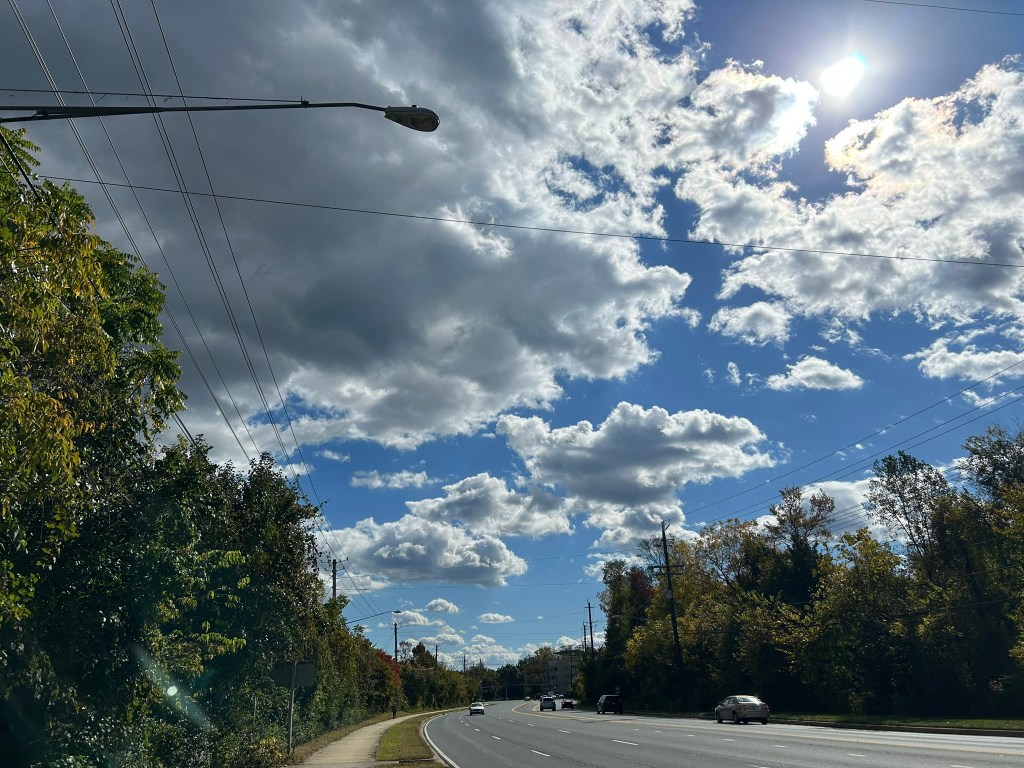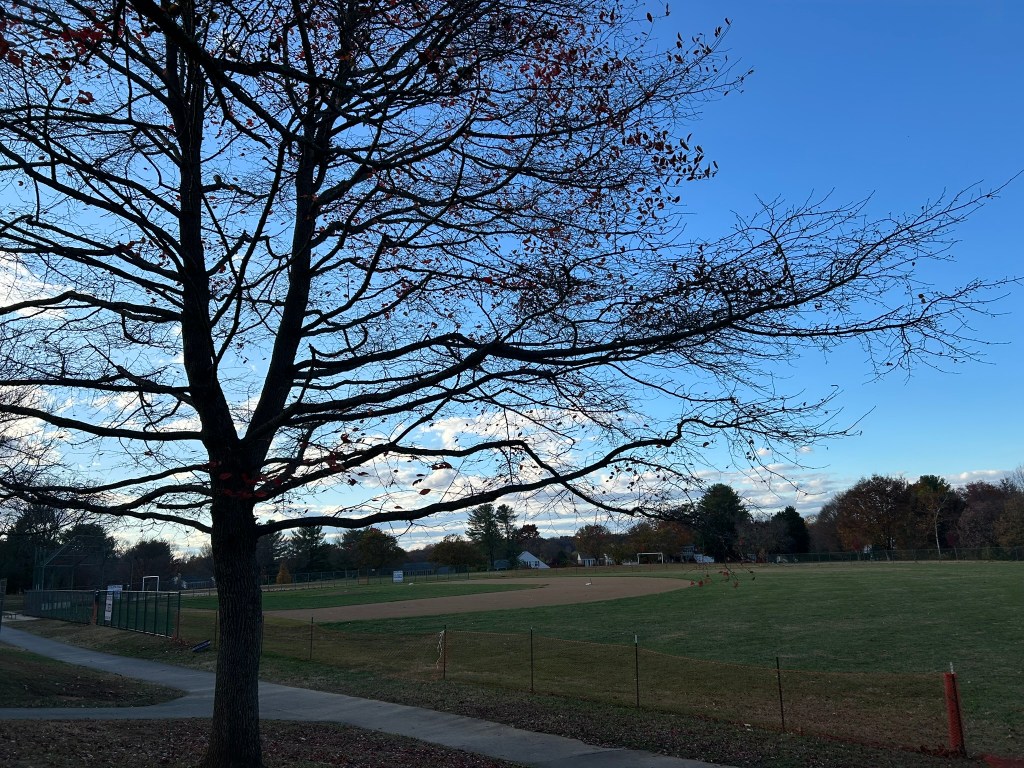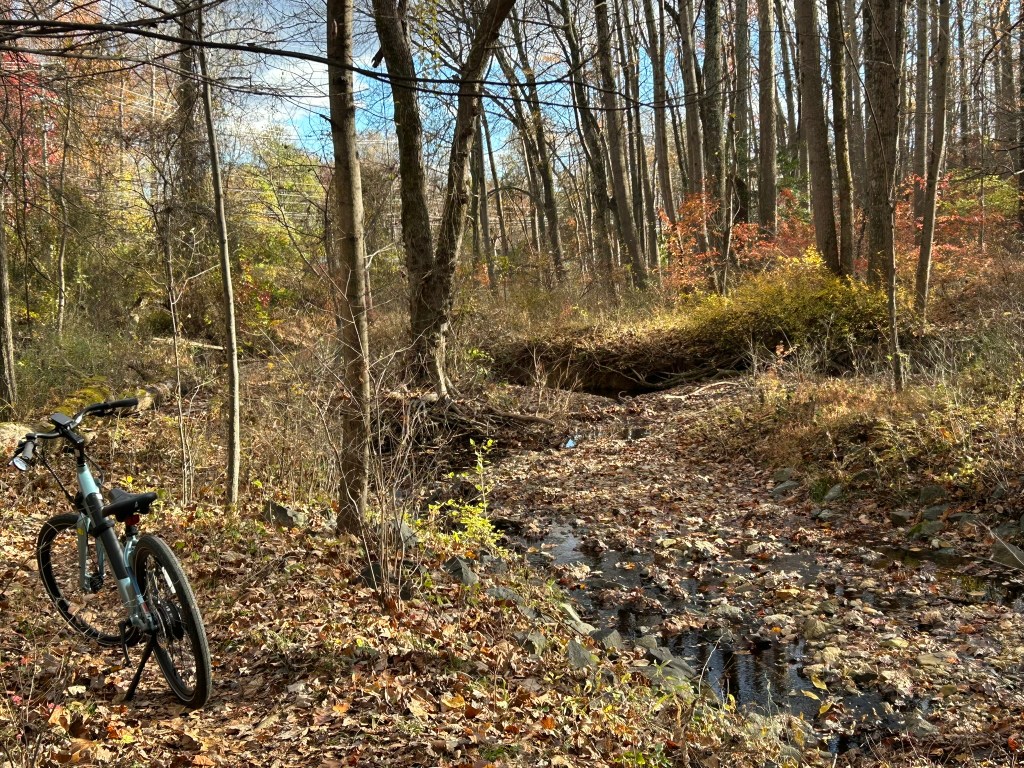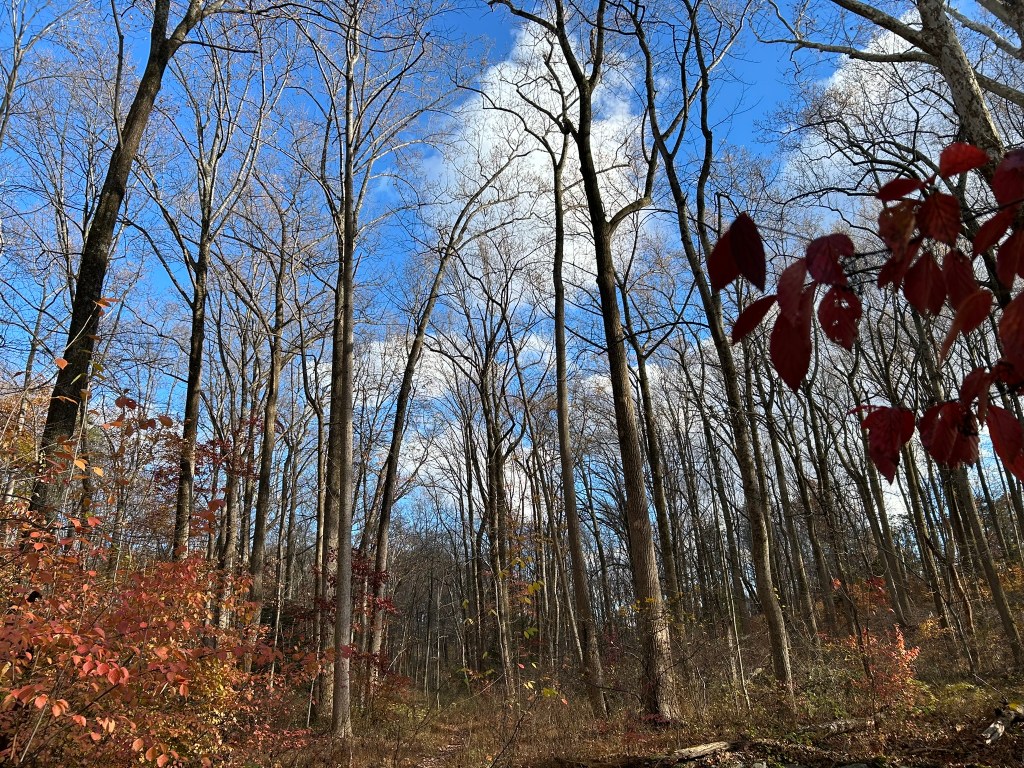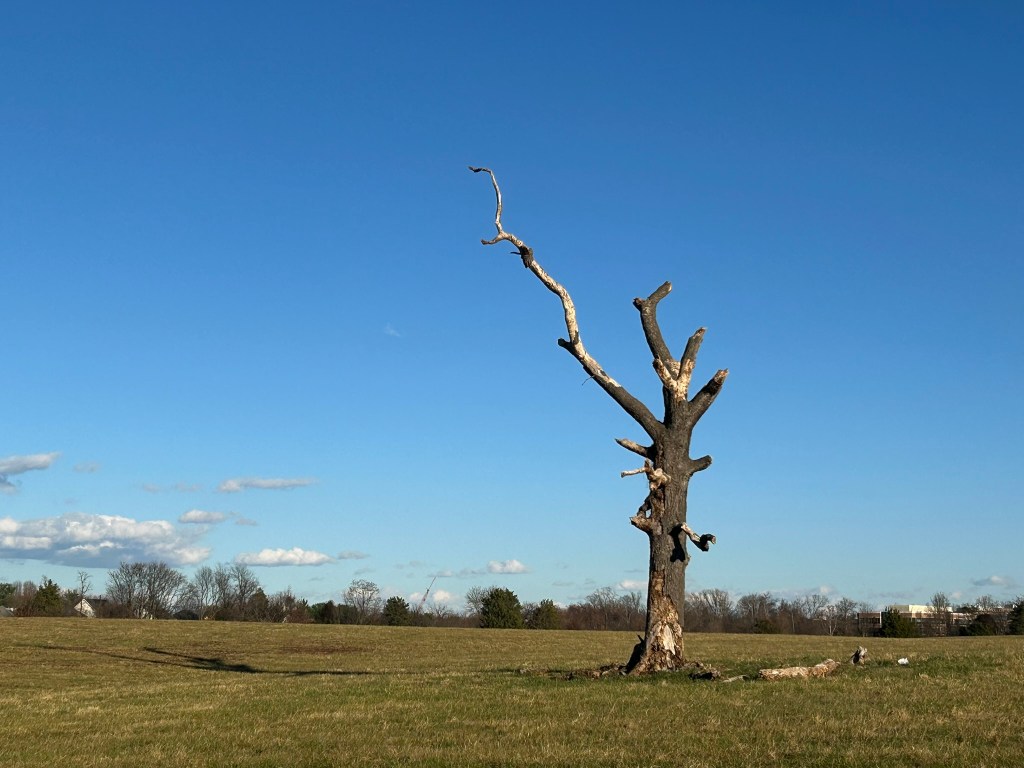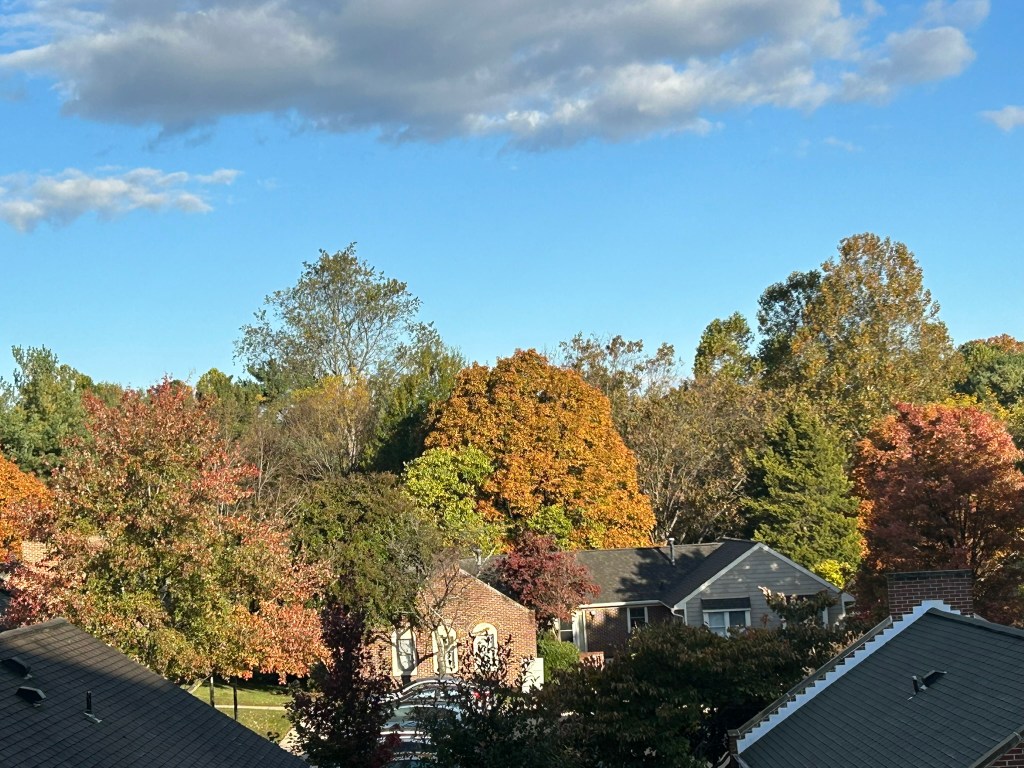
Last year I posted a few photos of “Late Autumn in Rockville”. I’m doing the same now. Many of these photos were taken while on bike rides in the neighborhoods and woods within a five mile radius of our home in southwest Rockville, MD. I’m finding that my photographic eye is often sharpened while riding my bike. And it’s easy enough to pull over and retrieve my phone/camera. Other photos are from treks in the woods near here, and some are from the 25-acre campus of our community. Reviewing the photos has rekindled my appreciation for the beauty of the season. Hope you enjoy some. John B, 11-24-25
I attended a beautiful rendering of Gustav Mahler’s symphonic song cycle, “Das Lied Von Der Erde”, on Sunday. It was performed by a masterful chamber orchestra, the Apollo Orchestra, that my wife Andrea and I have been following for some years in the Washington, DC area.
I had heard the work before and remembered its musical beauty as well as its stirring evocation of the magnificence of Nature. Listening to it again evoked even deeper feelings this time.
The chamber version of Mahler’s original scoring for a very large orchestra proved to be very effective in eliciting the lyrical intimacy of the work. “Das Lied” consists of six parts, each containing a vocal rendering of an ancient Chinese poem, translated into German. The work has two singers, a tenor and a mezzo soprano, alternating in their renditions of the six poems.
In this essay, I’m going to focus on the last of the six poetic songs, “Der Abschied” (“The Farewell”). It was sung on Sunday by the talented operatic mezzo, Jennifer Johnson Cano. This extended song/movement is about half an hour in length, almost as long as all five preceding songs.
The song is a farewell to mortal life, with an affirmation of eternity within the continuance of life on Earth.
Mahler wrote this work a short time before he died of heart complications in his early 50’s. At the time of composition, a young daughter had contracted a mortal illness, he had just learned of his own heart failings, and he had been summarily dismissed from his longheld leadership positions with the Vienna Opera and Symphony orchestras. In addition, Mahler reportedly felt painful isolation owing to his Jewish identity within a markedly antisemitic Austrian society. Despite a remarkable career as conductor and composer, he carried a heavy weight of melancholy.
In “Der Abschied”, he found the perfect text for expressing his deep love of the natural world and his deep sorrow in leaving it.
The song begins with a beautiful picturing of the sun setting behind a mountain, and a cooling darkness descending on the valley below. Soon a full moon rises “like a silver boat in the watery blue heaven.” The evening’s beauty continues to unfold:
“The brook sings out clear through the darkness. The flowers pale in the twilight. The birds roost silent in their branches. The earth breathes in full rest and sleep.”
Within this hauntingly beautiful dusk, the singer stands and waits in the shadows of a pine forest. She is waiting to bid a final farewell to a beloved friend, longing for her friend’s company to share the beauty of her last evening:
“I yearn, my friend, to enjoy the beauty of this evening at your side. Where are you? You leave me long alone! I walk up and down with my lute on paths swelling with soft grass. O beauty! O eternal loving and life-enebriated world”.
At this point, there is a long orchestral interlude, lyrically expressing the poignant, yearning feelings of someone about to pass into the next world.
Finally, the beloved friend arrives on horseback, handing her “the drink of farewell.” As she drinks, he asks why and where she must go.
Her answer is full of melancholic resolve:
“Ah my friend, Fortune was not kind to me in this world. Where do I go? I wander in the mountains, Seeking peace for my lonely heart. I wander homeward to my abode. I’ll never wander far. Still is my heart, awaiting its hour. The dear earth everywhere Blossoms in Spring and grows green anew! Everywhere and forever Blue is the horizon! Forever… Forever…”
The renowned conductor Leonard Bernstein became a champion for Mahler’s music during his long tenure as head of the New York Philharmonic. He famously described “Der Abschied” as a depiction of attaining Nirvana.
A close friend has long crusaded for a deeper understanding of the great teaching and comforting role of this bounteous planet Earth that we take so much for granted. I felt my friend’s presence strongly at the end of this marvelous performance, and recognized on an emotional level the profound truth she had long been espousing.
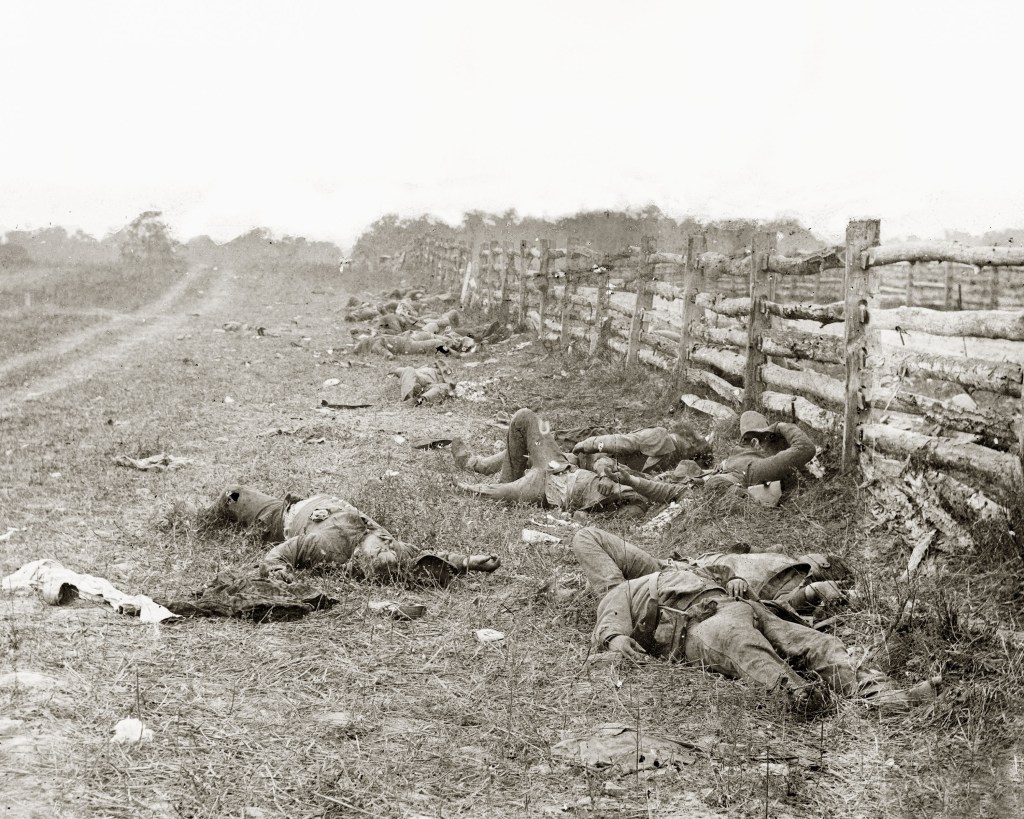
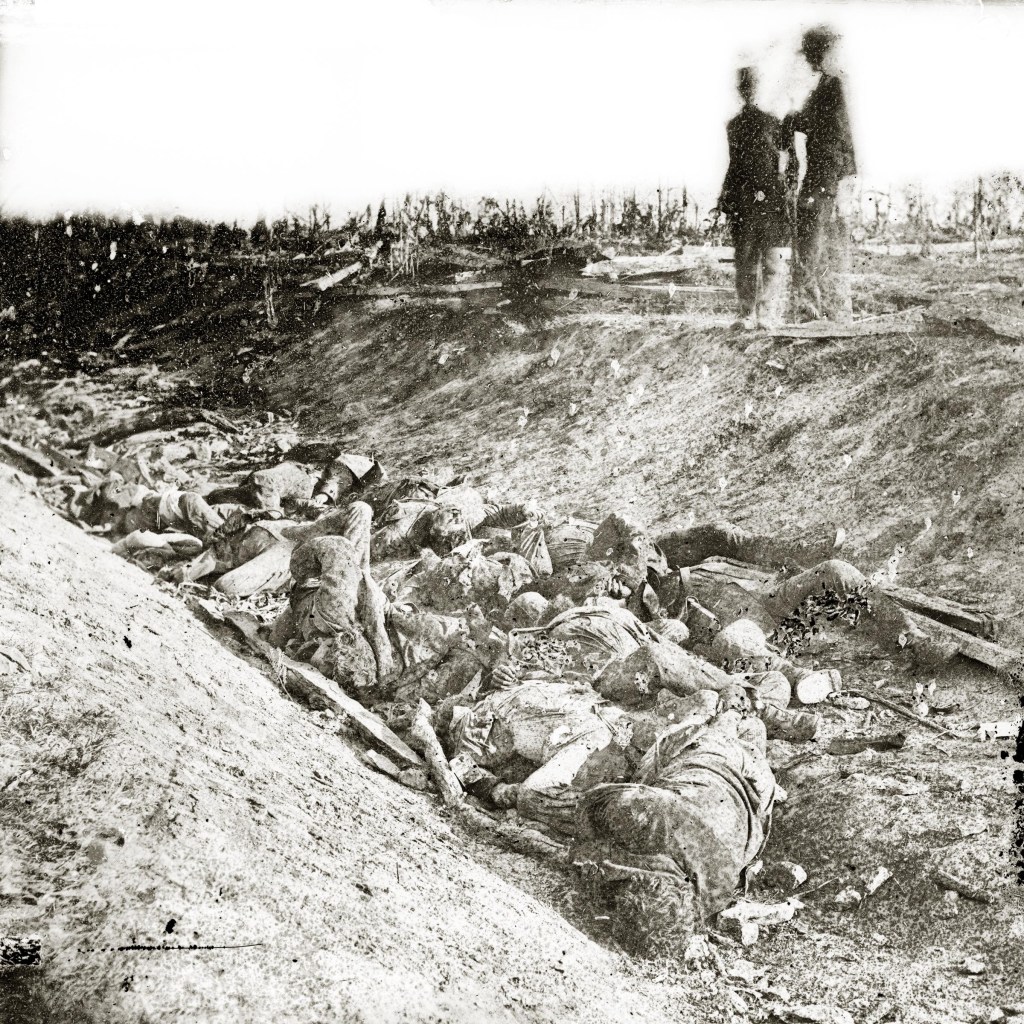
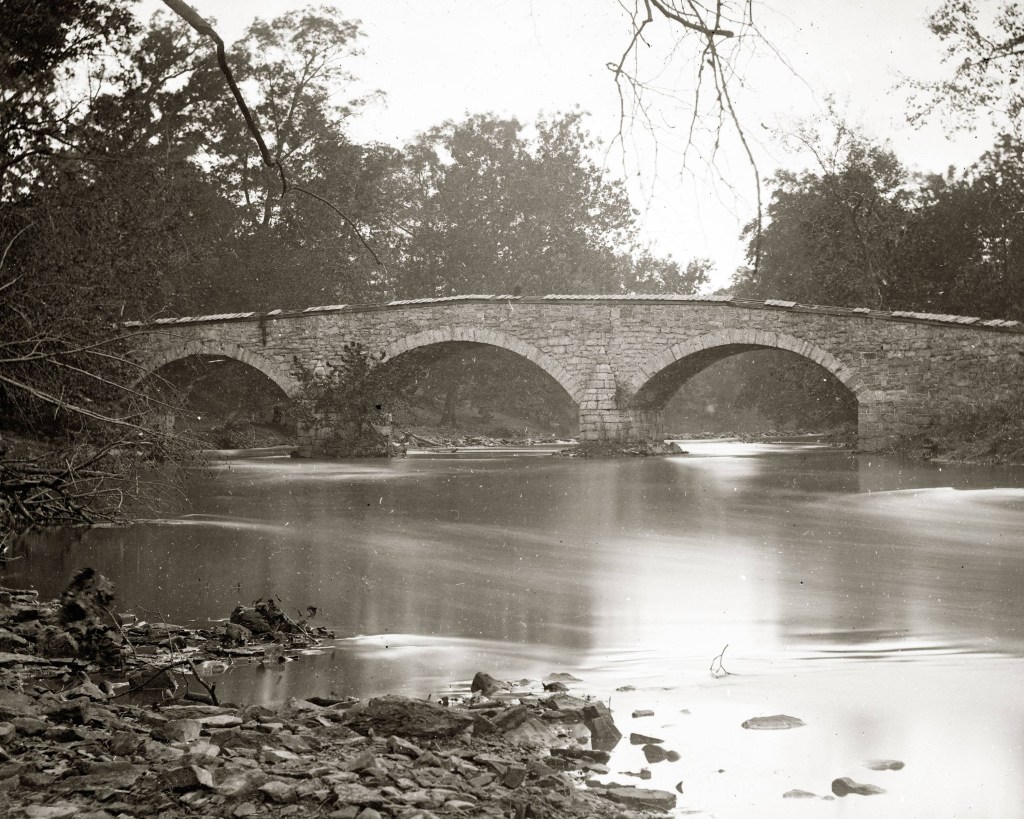
All photos by Alexander Gardner, courtesy of the National parks Service. Gardner was an associate of the established photographer Matthew Brady, who famously displayed them in his New York studio within days after the battle.
Introduction
My friend Kerry Reynolds gave a memorable public presentation a few weeks ago. It was about his family history, extending back to the 1700’s when his paternal relatives owned a farm on what would later become the Antietam Battlefield. That personal connection had led Kerry to a deep dive into all aspects of that seminal battle of the American Civil War. I approached Kerry after his talk and he invited me on a day trip to visit Antietam together.
It was a brisk but mostly sunny fall day as Kerry drove us out around mid-morning from Rockville, MD, not far from Washington, DC. He had given me some reading material about Antietam which I had avidly poured over prior to our trip. Included in the material was Kerry’s own written summary of the battle’s highlights. I was not as much of a Civil War buff as Kerry, but I fondly recalled my in depth exploration of the Gettysburg battlefield when I was a 12-year-old, and more recent forays to the nearby Monocacy battlefield.
We had good conversational back and forth throughout most of the day, in the car, at lunch, and touring the battlefield. The focus of our conversation was mostly Civil War history, especially the events leading up to the Battle of Antietam on September 17, 1862. On that long day of bloody battle, Confederate General Robert E. Lee’s first incursion into Maryland was repulsed, allowing President Lincoln to issue the Emancipation Proclamation five days later. Most historians regard it as the turning point in the war.
The reading material Kerry had provided gave me a foundation for beginning to understand the battle of Antietam. It included his own written account that highlighted what happened around his family’s ancestral farm on that fateful day. I had known the basic contours of the story pf Antietam, but not the background nor many of the details. I have made liberal use of Kerry’s own written account in crafting this essay.
In short, by the summer of 1862, the Confederate forces had dominated the fighting on most fronts. They had just won a significant victory at the second battle of Bull Run, leaving the Union’s Army of the Potomac in shambles. Lee decided to take advantage of the situation and set out on a campaign to cross the Potomac into northern Maryland and march east to capture the Pennsylvania state capital at Harrisburg. He believed that this would lead the North to sue for peace, leaving the Confederacy intact.
Pre-Battlefield Stops in Urbana, Frederick and South Mountain
Our first brief stop was in Urbana, about 10 miles south of Frederick, where confederate cavalry general Jeb Stuart had arranged a dance for his men with some local ladies, a few days before the big battle. The old building where the dance was held is still standing.
We proceeded driving north on Rt. 355 to Frederick. As we were passing the Monocacy battlefield, we exchanged our knowledge of that smaller battle in 1864, when Union General Lew Wallace delayed the Confederate forces long enough to prevent them from a successful attack on Washington.
Driving through the city of Frederick on 355 was an eye opener for me. It felt like I was taking in the older, historic parts of the downtown area for the first time. Kerry described how Lee’s army had ensconced there for a few days before Lee decided to send half his army on a dangerous mission up the Potomac to seize the Union’s armory at Harper’s Ferry. His army was much in need of guns, cannons, and ammunition, and scouts reported that the arsenal was under-defended. The mission was dangerous in that Lee’s remaining troops would be vastly outnumbered if the Union Army were to arrive sooner than expected. And arrive they did.
Lee sent a contingent of his army to hold off the Union advance at nearby South Mountain while he led the bulk of his remaining soldiers northwest towards Hagerstown, finally digging in near the small town of Sharpsburg on Antietam Creek. McClellan’s advancing Union Army got wind of Lee’s dire vulnerability and with excessive caution, proceeded towards Sharpsburg.
We drove northwest on RT. 40 from Frederick, the “National Highway”, heading towards Boonesboro and Sharpsburg, following the route of the two armies. We passed through Middletown and other small towns along the way. Just before reaching Boonesboro, we passed South Mountain and the memorial markers for the substantial battle there that preceded the full battle at Antietam a few days later.
Approaching Antietam
We drove through the relatively prosperous town of Boonesboro, reflecting on how the town was enjoying a boost from local author Nora Robert’s’ bookstore and business promotions. As we approached Antietam, we stopped for lunch at the Red Bird restaurant in the little village of Keedysville. Kerry valued its down-home character and generous servings of traditional lunch fare. It was also a good place for him to begin filling me in on more specifics of the National Battlefied Park we were about to explore.
Afterwards, we drove through Sharpsburg, a bigger town that had served as Lee’s headquarters for much of the Battle of Antietam. (Some Southerners still refer to it as the “Battle of Sharpsburg.”) With the horrendous casualties of the day’s fighting, the people of the town were left with much of the labor of burying the dead and helping to transport the wounded. A staggering 23,000 humans of both sides were killed, wounded and missing on September 17, 1862, more than four times the U.S. casualties of D-Day.
Touring the Battlefield by Car and on Foot
We first drove to the park’s Visitor Center, only to find it closed owing to the prolonged shutdown of the federal government. Kerry kidded me by saying that he would have to stand in for the highly knowledgeable Park Rangers who usually gave lively, detailed descriptions of the highlights of the battle. In fact, Kerry’s understanding of the battle’s logistics was as comprehensive and detailed as I was able to take in.
Kerry explained that the day’s fighting consisted of three distinct Union advances, two in the morning and one in the afternoon. The original plan was for all three to occur simultaneously. Part of Lee’s army was still “en route” from Harper’s Ferry and wouldn’t arrive til late in the afternoon. So the Union army had more available soldiers by far.
We then visited the sites of all three phases of the battle by car and by foot.
Phase I of the Battle — Slaughter in the Cornfield
The Union assault began around 6am when Union General Joseph Hooker’s First Corps mounted a powerful assault on Lee’s left flank, led by Stonewall Jackson. The attack took place across a 24-acre cornfield with stalks 6 to 8 feet tall and corn almost ready for harvest. The intense artillery, rifle fire, and hand-to-hand combat in the cornfield was made confusing by the height of the corn stalks and the obtruding sight lines. Command and control of the troops was exceedingly difficult.
Union soldiers eventually emerged from the fighting in the cornfield but were then beaten back by Confederate rifle fire. With no cover available, they retreated back through the corpse laden cornfield. Both sides took heavy casualties, with the Union losing about a third of its attacking soldiers in about 30 minutes of intense fighting.
The Confederates then counter-attacked toward the cornfield but were met by devastating Union artillery fire. They were able to drive remaining Union soldiers from the cornfield but soon found themselves under intense fire on the other side. They retreated south to safety but not before suffering a 60% casualty rate.
We walked the area around the original Cornfield battle site and observed the still standing corn stalks in the fields all around us.
Phase II — the Sunken Road (AKA “Bloody Lane”)
The next phase of battle followed almost immediately, around mid-morning. Union General Sedwick’s division surged from the East Woods and slammed into Jackson’s troops still ensconced in the West Woods. Sedgwick had marched into an ambush, and his attack was quickly repulsed at the cost of 2200 casualties.
Union General French’s division was supposed to link up with Sedgwick, but reached the field a half hour late and attacked the Confederate center instead. French’s forces pushed the Confederates past the Roulette farm, climbed a small knoll and then began moving down towards what’s known as the “Sunken Road”. They didn’t get far as Confederate General Longstreet’s forces were dug into the trench of the road and had excellent firing positions. They commenced a withering barrage of rifle fire that purportedly brought down the Blues “like grain falls before a reaper”.
Kerry led us on a walk along the Sunken Road, pointing out how the Confederates used it as a protective trench to fire upon the Union soldiers attacking from the sloping land above it.
After about an hour of unrelieved gunfire from both sides, Union General Richardson’s division arrived and attempted another frontal assault on the Sunken Road, suffering over 60% casualties. One combatant later described the fighting as “one continual thunder that cannot compare to any sound I ever heard”.
Finally, Union General Caldwell’s forces arrived at a spot on the Confederates right flank from which they could pour down fire along the length of the Sunken Road, quickly turning it into a bloodbath of Grey soldiers.
The fighting around the Sunken Road had carried on for about three hours and left a total of over 5,500 casualties. The road soon became forever known as “Bloody Lane”.
Phase III — Burnside’s Much Delayed Advance
The remainder of September 17 contained equal measures of heroism and ineptitude.
Around 1pm, Union forces stormed through the Lane, and the remnants of the Rebel center fell back half a mile. Confederate Gen. Longstreet’s artillery commander famously said, “the end of the Confederacy was in sight”. He knew that a full scale Union attack at that moment would have swept the field.
But the Union army’s lead general, McClellan, feared phantom Rebel reserves and said “It would not be prudent to make the attack.”
Meanwhile, on the Union left, Gen. Burnside and his IX Corps waited hours for authority to attack. Lee used the time wisely, shifting forces to shore up his weakened positions elsewhere on the battlefield, so there were only 4,000 Confederates remaining when Burnside finally sent 13,000 Yankees to cross Antietam Creek and attack. But Burnside proceeded cautiously and directed his troops to cross the bridge over the shallow creek rather than attempt to ford it on foot. A band of Georgia marksmen focused their rifle fire on the bridge, delaying Burnside’s troops from crossing for over two hours. It was 3pm before Burnside’s troops finally reached the fields south of Sharpsburg.
With Lee’s forces about to crumble from Burnside’s anticipated attack, a large contingent of Confederate forces arrived back from Harper’s Ferry in the nick of time. Once again, fresh Union forces could have ended the conflict, but that was not to be. Burnside’s forces withdrew as dusk descended. It shouldn’t have been the case, but the battle of Antietam was over.
Gen. McClellan could well have attacked Lee’s forces the next morning, or challenged Lee’s retreat back across the Potomac, but his inherent hesitancy meant another lost opportunity for an all-out Union victory.
The Roulette Farm
A major part of Kerry’s fascination with Antietam was the fact that his Reynolds ancestors had owned a farm in the late 1700s that would be right on the battlefield. By 1862 the farm was owned by the Roulette family. The original farmhouse, barn, spring house, and surrounding property are now all owned by the National Parks Service.
We walked around the property and Kerry pointed out its various features. He was concerned that the spring through the spring house appeared to be dried up from the late summer drought.
We proceeded to walk towards the nearby site of the Cornfield battle, as well as the Sunken Road (“Bloody Lane”). Kerry had served in the U.S. Army and showed how the trench of a road provided great cover for the Confederates to fire on attacking Union infantry, before it became a mass gravesite for them after relentless Union artillery fire.
Driving Home
Before driving home we stopped just outside of Sharpsburg to visit the stone bridge over Antietam Creek where Gen. Burnside’s soldiers were delayed in crossing for two hours by Confederate snipers. The narrow creek was low from the recent drought, but we also noticed how steep the banks were. Perhaps Burnside’s reluctance to have his men ford the creek on foot had some merit after all.
My experience of Antietam stayed with me in the ensuing days. I took some time to read a number of chapters in the book Kerry had lent me, “A Day in September – The Battle of Antietam and the World It Left Behind” by Stephen Budiansky. It consists of nine chapters, each detailing the pre and post-battle lives of well known individuals who lived through it, including Robert E. Lee, George McLellan, later Supreme Court Chief Justice Oliver Wendell Homes, Jr., the war photographer Alexander Gardner, the founder of the American Red Cross, Clara Barton, and our great President Abraham Lincoln.
Writing this essay has galvanized me towards a deeper understanding and appreciation of the significance of Antietam for our country as a whole, and for individuals like Kerry whose ancestors inspired him to study their history. The experience has also fortified my long held belief that armed conflict, involving impersonal slaughter of fellow human beings, should be the absolute last resort for trying to resolve chronic political and economic differences.
Day 1 of our summer road trip up north, 7/9/25, Rockville, MD to New Paltz, NY
We left our home in The Village At Rockville around 10:30a after our last-minute packing and loading the car. I’d made us melted Brie and ham sandwiches for the road. We stopped to gas up our 2014 Accord close to home on Darnestown Rd. before taking I-270 north to Frederick, continuing on to Rt. 15 through the rest of MD and on to the outskirts of Harrisburg, PA. I drove the first stretch feeling mostly relaxed and happy to be on our way. Andrea then got us to Hazelton, PA via I-81 and I-81, stopping for lunch at a McDonald’s there. A Mona Lisa reproduction there gave us a good laugh!2
I took the third leg up through Wilkes Barre and Scranton to I-84 and on to Port Jervis, NY. And Andrea got us from there to New Paltz, NY, taking backroads — Rt. 209 through Ellenville and then 55 and 299, along and then across the Shawangunk Mountains with some beautiful vistas.
It was about 300 miles in total — plenty far enough for one day for these two septuagenarians. After resting some at our well-appointed room in the New Paltz Hampton Inn, we drove down Main Street to a nice little Vietnamese restaurant bustling with mostly young people. There we ate vermicelli, veggies, tofu and chicken. We each had a cold beer, which went down nicely with the delicious food. Afterwards, we went for a pleasant stroll on Main Street, appreciating the small, college-town flavor of the place.
The only downer was realizing that I’d forgotten to bring my swimming bag. I’d been looking forward to fresh water swims in both Lake Champlain and Lake Vanare. I didn’t allow myself to get too crestfallen, though. The positive church experience I had the previous Sunday had stayed with me since then, bringing a kind of grounded calm and sense of perspective. I texted my trusted brothers-in-law, Gene Goundrey and Bob Stein, to see if either had an extra swimsuit to bring to our family vacation site at Lake Vanare, NY. (They both did!)
Day 2, July 10, New Paltz, NY to Shelburnen, VT
We arrived in Shelburne around 2:30p after a comfortable 200 mile drive north from New Paltz. We had a good breakfast at our Hampton Inn there, which sustained us into the afternoon. Andrea drove us up I-87 to just south of Saratoga, NY where we stopped for coffee and gas. She was able to reach our old friend Mary Janet in Ireland via a WhatsApp phone connection while we were driving. It was good for both of us to connect with her and hear of her ongoing adventures living on the Emerald Isle.
I drove from Saratoga north on I-87 to exit 20 through Queensbury and on to Rt. 149 to Ft. Anne, NY. We drove behind a big truck for most of that way and were glad we were in no hurry. From there we headed north on Rt. 4 to Whitehall, NY and then east to Fairhaven VT where we stopped at the Vermont Welcome Center for restrooms and lunch. It was in the mid 80’s by noon but we found a shaded spot out front to eat our Vietnamese leftovers from last night.
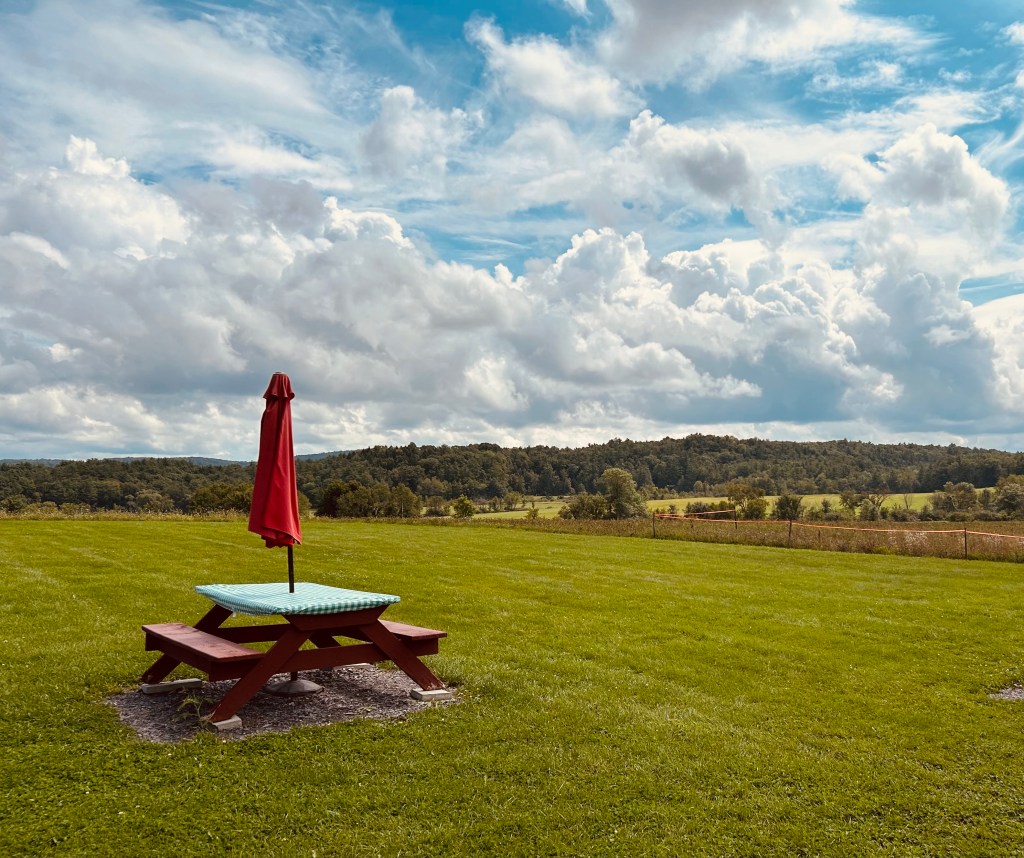
Andrea drove us the last leg north on Rt. 22A through western VT. The pastoral rural scenery was a delight and we stopped briefly to take it in.
Paul Morrow, our host, was mowing the lawn when we arrived on Pine Haven Shore Lane, right on Shelburne Bay, around 2:30p He helped carry our luggage into his modest family home, where we greeted his wife Emily, Andrea’s longtime friend and former roommate at Oberline College in the 1970’s. We got settled into our comfortable bedroom before joining Paul and Emily for conversation outside on their lawn, overlooking the bay. It was good reconnecting with them. We shared our feelings about the current political reality and lamented Kamala Harris’ defeat after the four of us had watched the upbeat Democratic Convention together here last August.
Andrea and I had a nice nap before supper and reengaging in conversation with Emily and Paul. We’re both looking forward to spending time with them over the next few days before leaving for Lake George on Sunday morning.
Days 3, July11 — Adventures in Shelburne and Burlington
Our first full day in Shelburne started with Andrea and I exploring nearby Shelburne Bay Park, a peninsula in Lake Champlain with large tracts of accessible shoreline. We enjoyed the cooler morning temperatures under the shady forest that abuts the shore there, following a well-marked hiking trail.
Andrea and I made a music video using a recorded hymn while panning an iPhone camera to capture the dramatic sunlight coming through the high limbs of the surrounding trees. The slow, melodic choral singing was a perfect accompaniment to the reverential images of the shady forest. Making the music video together was fun, and we sent it out to our church community. It inspired us to make a second one of moored sailboats offshore to music from a Boccherini cello concerto.
Another more challenging adventure involved going out rowing with Paul in his elegant skiff that afternoon. Paul’s love for rowing almost daily in Shelburne Bay resonated with my own love for daily bike rides. Paul had lent me a swimsuit and patiently demonstrated how to launch the boat from the rocky shore in front of their lakeside home. I hadn’t realizd that his boat had oars for two rowers. It was a learning curve for me to learn how to sit and row in tandem with Paul’s oarstrokes in front of me.
The boat’s relative narrowness required holding the oars one hand above the other. This added complication made it challenging for me to stay in synch with Paul at first. But I quickly got the hang of it. It was satisfying to be part of a two person crew, propelling our craft through calm waters out to the center of the mile-wide bay.
Paul said that his boat was a “St. Lawrence Rowing Skiff”, developed for use in the Thousand Islands. He usually goes out solo but seemed happy enough to have some company. We rowed for less than an hour, but I got exhausted before then and Paul rowed solo to get us back to shore. We had some good conversation as he shared some of his experiences as a forensic pathologist in Vermont, and more recently in Australia and New Zealand.
A third adventure was dining with our hosts at a fabulous Chinese fusion restaurant that evening in nearby Burlington. It was an upscale place that Paul and Emily knew well. I don’t have the gastronomic vocabulary to describe the new tastes and textures I experienced, but they were universally delightful, and included scallion pancakes, mushroom eel, Buddha’s Beef (seitan), and a refreshing iced tea with hybiscus syrup. Andrea and I were happy to pick up the tab for this memorable feast.
Day 4, July 12: a Generous Invitation, and a Visit with Another Old Friend
The highlight of our last full day with Paul and Emily in Shelburne was a conversation our hosts initiated. This was our third summertime visit at their lovely Shelburne Bay summer home. The Morrows were decades-long expatriates, having made a substantial professional and personal life for themselves first in Australia but currently in New Zealand. Their Shelburne home was where Paul was born and raised by his Quaker parents, both medical doctors. Paul had become s chief medical officer in both Australia and New Zealand before retiring last year. Emily had a thriving law practice in New Zealand, though both of them were now initiating new part-time careers in counseling (Emily) and chaplaincy (Paul). They returned to Vermont for a few weeks every summer. Andrea and I both admired Emily and Paul for their strong life force and very active “retirement”.
Andrea and Emily had remained close friends since college. They spoke by phone regularly during all the Morrows’ decades in Australia and New Zealand.
Emily and Paul sat us down that morning after breakfast to make us a very generous offer. They were inviting Andrea and me to visit them in Auckland, NZ within the coming year. They had issued a similar invitation the summer before, but this time it was much more specific and elaborate. Emily and Paul had an alternative residence that they owned in Auckland where we could stay, and they would act as active hosts throughout our time there. Emily even offered to help financially if we needed it. Andrea and I were deeply touched, and excited, and we have now made specific plans to visit Emily and Paul in New Zealand next February!
Friends at Shelburne Bay: Emily Morrow, Andrea DiLorenzo, Paul Morrow
That Saturday was mostly a quiet day. The only excursion that Andrea and I made was a short drive to visit an old friend, Betty McDevitt, who had moved to a retirement community in Shelburne so as to be close to her son and his family there.
We had visited Betty at the Wake Robin community last summer as well. Betty is now in her 90’s and has self-admittedly lost some of her intellectual acuity, yet gladly affirms that she has never been happier. She greeted us warmly and took us to lunch with her in the community dining room. During lunch, she shared about her recent birthday party, and reveled in the love of her son’s family, especially her grandchildren. She took us back to her apartment, still festooned with flowers and other birthday decorations. Andrea in particular felt gratified to stay connected with her old friend from her hometown, New Castle, PA, and a sister alumna of Oberlin as well.
A steady breeze from the south Unfurls the New Zealand flag beside me — Deep blue background with red-and-white Union Jack in the top left, Four white stars of the Southern Cross to its right and below. This the new flag of our expatriate hosts, Happy to revisit their native land Yet happier still to call New Zealand home.
Looking at the world with fresh eyes Taking in its immensity And the limits of what I’ve experienced of it Thus far on this my 76th birthday
Grateful for how far I’ve come To get to this point of recognition Of both how much and how little I’ve lived and loved
The exquisite lyricism and beauty Of Boccherini’s cello concerto Playing through my hearing aids now, The supreme artistry of Yo Yo Ma’s indomitable Spirit lifting and inspiring mine
What a rich ride this life can be In the midst of even The most challenging blockages Of fear, ignorance, pain, disappointment…
The exuberance of the life force Persists and finds a way to express itself In the world around us, In you, in me
The next event I attended was an interview with authors of two recent books that affirmed possibility and hope within the daunting climate crisis.
Alan Weisman is a veteran academic and long-term journalist and author on environmental topics. His latest book is Hope Dies Last. Malcolm Harris is a young writer/activist who brings a radical political perspective to his new book What’s Left. The two were introduced by Rockville Mayor, Monique Ashton, who recounted how her 12-year-old daughter had received news of her mom’s election victory by asking her: “So what are you going to do about climate?”
The interviewer for the program was the legendary journalist and activist Elizabeth McGowan who had found her passion for fighting climate change after overcoming two occurrences of serious cancers, and had ridden a bicycle across the country in sponsorship of cancer research.
Weisman was interviewed first. The subtitle of Hope Dies Last is Visionary People Across the World Fighting to Find Us a Future. The book is the fruit of Weisman’s recent worldwide travels in search of people who were on the frontlines of the climate crisis. He recounted a story about an Iraqi man who had spearheaded a successful, decades-long movement to restore an enormous wetlands area in southern Iraq that Saddam Hussein had ordered drained in order to root out his enemies, Iraqi Shias. The man had a scientific background, ecological understanding, and lifelong knowledge of the region’s water flows. He also had a wealth of personal connections to the displaced people who were eager to resume their traditional way of life. Weisman’s story is further dramatized by the fact that the wetlands in question are formed by the Tigris and Euphrates Rivers whose “fertile crescent” was among the sites of earliest civilizations in the Middle East. In reflection on the book’s title, Weisman said that “hope is an active verb” and that all of us could find a hopeful path through the climate crisis if we committed ourselves to collective action.
Malcolm Harris was a well-known leader of the “Occupy Wall Street” movement. His subsequent career as a journalist and author was formed from his experience as an on-the-ground organizer. He became an avowed Marxist and applied a Marxist analysis to the economic challenges of the Millennial and GenX generations. His book title, “What’s Left”, is a well-known political mantra for environmentalists seeking to preserve and protect the natural world as it remains for us now.
Harris identifies three necessary aspects to a successful renewal of climate health: 1) use of carbon credits to economically incentivize companies and governments to reduce fossil fuel emissions; 2) high level governmental mandates such as those enumerated in the Paris Climate Accords; and 3) a renewed commitment to the common good of humanity as a whole that he believes is best espoused in the ideals of communism. He pointed out that all the environmental success stories studied by Alan Weisman involved groups of people coming together to protect environments that their livelihood depended on. Harris urged us to question our American bugaboos about individualism and free enterprise and begin to consider how much better our environment, and our society might be if it prioritized people and the environment over profits.
Elizabeth McGowan as moderator provided an inspiring testimony to the value of finding purpose and hope even amid dreadful prognoses. She herself had received virtual death sentences from melanoma twice in her young life, and both times had miraculously lived through them. Her subsequent environmental journalism and activism was inspired by her confidence that life itself would find a way to survive and thrive. Hope Dies Last!
Two Talented Authors of World War 2 Historical Novels
As baby boomers whose Dad had fought in World War 2, our family book club was always on the lookout for engaging historical fiction set during the war. So I rejoined my sisters for a fascinating presentation by two highly successful historical novelists: Madeline Martin and Laura Morelli.
Martin’s most recent novel, The Booklover’s Library, is set in Nottingham, England during the second world war. It is a love story about a widowed mother and her young daughter, who is evacuated to the country to avoid the German air blitz. The mother carries on as best she can as a librarian, finding ways to encourage her library’s often quirky readers with books that will inspire and motivate. Martin described her novel as a story of how a mother’s love for her daughter and her dead husband led her into deeper service to her community, as well as her family.
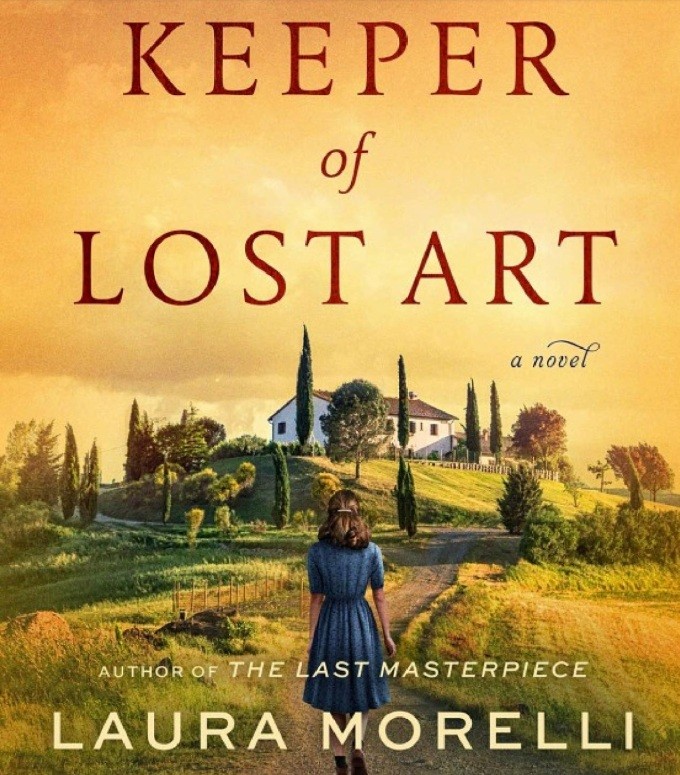
Laura Morelli is a professional art historian as well as a fiction writer. Most of her historical novels are set in Italy and involve aspects of classical Italian art. Her latest novel, The Keeper of Lost Art, is based on the true story of how the Uffizi gallery in Florence shipped all its most valued works of art to various rural locations to prevent them from being pillaged by the Germans during the second world war. Her novel centers around a young woman from Turin who has been sent to a villa in Tuscany where many of the Uffizi treasures are being kept. Ms. Morelli spoke with great eloquence and passion about her book.
What I found remarkable about the interview with these two talented, creative writers was the sense that the two were in no way in competition and that they took in and affirmed what each other was saying. I was also impressed by both writers’ stories of the long, hard research they had performed prior to sitting down to write. Both of their new books were definitely candidates for next year’s reading list!
A Local Author’s Remarkable Comeback
The last author we heard was Jeanine Cummins whose 2018 bestseller, American Dirt, we had read in our book group. It is a gripping novel about a Mexican woman and her young son as they make a perilous journey from Acapulco to the U.S. after their family has been violently targeted by a cartel there. The novel became a topic of controversy after a large group of Hispanic American writers had publicly criticized the book and its author for having expropriated Mexican culture for commercial interests. Cummins has Puerto Rican family roots, speaks Spanish, and spent a lot of time at the U.S. – Mexico border interviewing migrants. Still, the criticism stung and resulted in her withdrawal from writing for over a year. She said she had not been sure that she would ever be able to write again.
We had seen Ms. Cummins at the 2022 GBF when she had interviewed the successful Mexican American writer, Reyna Grande. Grande had signed on to the 2018 letter criticizing Cummins, but it was clear from their interaction at that GBF that the rift had been healed. Cummins was generous in her praise of Grande’s excellent historical novel set during the Mexican- American War of the 1840’s, and Grande clearly reciprocated the positive regard.
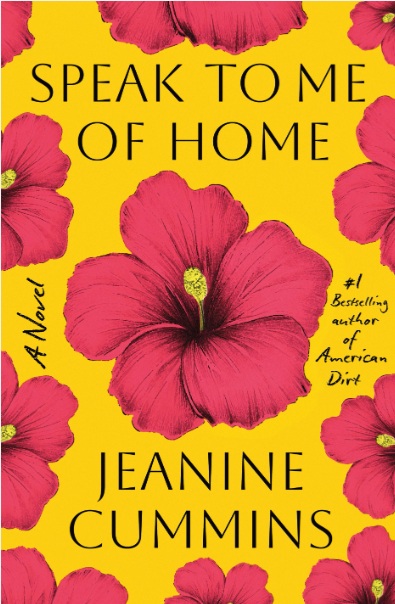
Jeanine Cummins has become something of a celebrity in Gaithersburg. She grew up here and attended Gaithersburg High School, which is right next to Bohrer Park. She was lavishly introduced by the Mayor of Gaithersburg, Jud Ashton, who has been instrumental in starting and sustaining the GBF over the past 16 years. Cummins had recently published a new novel, Speak to Me of Home, whose subject matter touches on her own Puerto Rican heritage. She was interviewed by a local Jamaican American author, Donna Hemans.
Cummins first spoke about the 2018 controversy and how it had deeply affected her. Even though she rightly claimed her integrity in writing American Dirt, the criticism opened within her questions about her own ethnic identity. This led to deeper conversations with her mother and other family members about the Puerto Rican matriarch of their family who had moved to the U.S. many decades earlier. Her latest novel was an opportunity for her to plumb the depths of her own Puerto Rican roots.
Donna Hemans entered an in-depth dialog with Cummins about current issues of ethnic diversity within our American melting pot of cultures. Cummins described her ease in navigating the large multi-ethnic cultures of Gaithersburg – a small city that is regarded as the most ethnically diverse place in the U.S., with over one hundred different languages spoken here. She said it was challenging for her when she left for college at nearby Towson State, because unlike her hometown high school, students there segregated themselves much more pervasively by race and ethnicity.
Cummins talked extensively about her Puerto Rican grandmother and her challenges in navigating American middle-class society. Those stories became an important part of her new novel. Ms. Hemans asked Cummins to read specific passages from Speak to Me of Home. The writing was perceptive and poignant, as usual for Cummins. My sisters and I came away knowing that this novel would be among our top choices for our reading list.
Last Saturday was the long-awaited Gaithersburg Book Festival (GBF) in this Maryland suburban city north of Washington, DC. My sisters Marian and Anna arrived from their long drive from Buffalo around 2:30p on Friday. We had all attended four of the previous festivals, the last one being in 2022.
The three of us plus two of other sibs had been participating in a family book group for ten years. Over the years, our experiences with authors at the GBF had inspired our choices of many of the books we had selected to read.
I went down to greet my sisters and help them to get settled in their Guest Suite just down the hall from my wife Andrea’s and my apartment in our comfortable retirement community in Rockville, MD. Their room was still being cleaned so they came to our place for a nice visit with Andrea and me. They had shared the driving and were tired but in good spirits. Andrea had made us a 6:30 dinner reservation at the restaurant downstairs, so we all had time to rest a bit beforehand. Both Andrea and I always feel a lot of common ground and good cheer in being with my sisters.
After a delicious meal, we treated ourselves to watching a classic 1980’s film, Alan Alda’s “The Four Seasons”, which we all thoroughly enjoyed. We went to bed early enough to get up in time for the 10am festival start at Bohrer Park in Gaithersburg. Andrea drove us the four miles there, right to the entrance (and picked us up there five hours later.) It was a beautiful early summer day, mostly clear and warm, but not oppressively hot.
A Therapeutic Writing Workshop
My sisters and I wanted to attend the 10am writing workshop, “Healing Through Writing”. We arrived just as it was getting started, finding decent seats at one of the tables set up inside a large white tent. At each seat was a nicely bound notebook, pen, and a synopsis of the principles of therapeutic writing.
The presenter was a short, elderly woman, Diane Pomerantz, a “psychologist and author” as the program noted. She spoke in a calm, self-assured way about the documented therapeutic effects of personal writing as a way to achieve perspective and self-awareness after suffering emotional trauma.
She first talked about all our lives as a sequence of stories. While the events of our lives were sometimes outside of our control, she made a compelling argument that we all had the ability to frame and contextualize those events as healing stories. Consciously intending to gain perspective from even severe trauma was a good starting point. Then writing about a trauma and our emotional response to it gave us a vehicle to stand back from it and see it in a greater context.
Ms. Pomerantz had utilized writing to help her heal from a traumatic marriage, and had made that healing experience central to her published memoir. She had a strong personal basis for urging us to consider doing the same.
To get us started, she suggested that we make use of our handsome notebooks to write a 6-word memoir. That seemed like a daunting task at first, but after reflecting for a bit, I came up with a sentence that actually seemed to describe an important theme of my 75-year-old life:
“Cross eyed vulnerability made me different and special.”
I was the second oldest of ten children and was diagnosed early on with strabismus, a condition in which the two eyes don’t look at the same place at the same time (hence, “cross eyed”). By the age of 5 I’d already had two surgeries and wore glasses with a patch covering my “good eye” so that the “lazy eye” might gain strength. None of this actually worked. By the time I started school, I was still “cross eyed” and wore glasses, though the glasses did nothing to fix the underlying condition.
Even in the early years of my family life, I felt competitive for my mother’s attention with my older brother and then my younger baby sister. My vision problem helped to garner me that attention.
One of Ms. Pomerantz’s instructions had been to find some way in which a trauma had brought us some advantage. It didn’t take me long to experience that insight from my own childhood. Both my parents took time to take me to my eye doctor’s appointments across town, and otherwise tend to my vision issues.
But I can also see now that the attention I received for my vision issue contributed to seeing myself as faulty in some way, which fed a kind of victimhood, and a sense that I deserved extra consideration. I left the workshop with a deeper understanding of an important, but largely unexplored aspect of my early life that had had lasting repercussions.
Just Us Books
The GBF is structured as hourly presentations held in small tents scattered about the 40-acre lawn of Bohrer Park. There’s no registration process (nor fees) and seating is on a first-come basis. I was heading to an 11am session with well-known local author Judith Viorst when another tent captured my attention.
Projected on a large screen inside the tent were brightly colored pictures from a children’s book. An attractive African American couple were just beginning their presentation and I was immediately drawn in.
Cheryl and Wade Hudson are a 60-ish couple who are both writers and publishers for Just Us Books, Inc., a company they founded decades ago after mainstream companies had declined to publish their African American-oriented children’s books.
As I was passing by, Cheryl Hudson was reading and singing from her latest children’s book, “When I Hear Spirituals”. It’s about a little girl describing her feelings when she hears spirituals being sung in church. Ms. Hudson took us through each of the visually projected pages of her book, stopping to sing short segments from the spirituals being described by the little girl. These included “Wade in the Waters”, “Swing Low, Sweet Chariot”, “Ring Them Bells” and many more. Her singing and the colorful illustrations really brought the book alive!
Then her husband Wade took us through the illustrations and text of a book he had penned based on the story of his mother voting for the first time in Louisiana in 1969, “The Day Madear Voted”. He beautifully conveyed the jubilation felt by his mother, her family, and other members of their church on finally being allowed to perform their constitutional right to vote.
Andrea and I had visited the civil rights “legacy sites” in Montgomery, AL, last month and the ugly reality of our country’s longstanding abridgment of basic human rights for African Americans was still fresh in my mind. I heartily concurred with Mr. Wade’s assertion that this history needed to be communicated even more at a time when the MAGA forces are attempting to whitewash essential parts of our American history.
There were three other author presentations that I attended and which I will describe in a subsequent post.
It’s been a beautiful spring here in Rockville, MD and I’ve been enjoying Nature’s flowering more than ever, either while walking or biking. Taking photos helps me stop and appreciate the beauty that I’m seeing.
I read it with great interest, and returned to it on the way home yesterday, inspired to write out my thoughts and feelings.
I had read Keen’s book on masculinity when it came out in 1991. I was 42 years old, recently married for a second time, and was very involved in a burgeoning men’s movement in the Washington, DC area. Keen spoke to issues much on my mind, specifically how to live a life with creative and empowered integrity while married to a staunch feminist, and espousing feminist ideology myself.
Keen’s main theme was the necessity for all of us to find our true passion for life, our “fire in the belly”. As a would-be liberated man, this meant finding a way to manifest my creative passion in ways that served my God-given soul as well as the soulmates in my family and community.
Joseph Campbell was another inspiration to me during that time. His encouragement to “follow your bliss” helped to steer me back to my deeper soul issues after spending a decade focused on developing a career in IT.
Keen had been a respected academic, like Campbell. He pursued advanced degrees in religious studies and theology and was a university professor before having a mid-life transformation while visiting San Francisco in the late 1960’s. The counter-culture was in full bloom and Campbell wanted to find his own place within it. He did so by devoting himself to writing about the practical application of spiritual experience and insight to his own life and those of his contemporaries.
The venerated TV interviewer, Bill Moyers, interviewed Keen after Fire in the Belly had found its audience in the early 1990’s. I remember that Andrea and I watched that interview with great interest, and shared appreciation.
The following is my own remembrance of Keen’s teaching from Fire in the Belly and from the Moyers’ interview:
“This is about writing your own story, what is most important about your journey. It’s recognizing and letting go of cultural archetypes about masculinity. It’s consciously becoming your own person, so that your daily life reflects what is most important to you. Your life becomes your personal mystical journey.
“You wake up each day with “fire in your belly” because you know what you are seeking and you have a fresh, new day to seek it, and to find it.
“Whatever the ‘content’ of your daily life, whatever your genuine responsibilities are, each day can be an intuitive, creative adventure, in which you can learn by going where you have to go next.”
Sam Keen brought a “keen” spiritual perspective to the topic of masculinity. He knew that a growing man had to continually call upon his deeper, intuitive awareness to meet the demands and the creative possibilities of daily life. He cannot shirk his healthy warrior priority to remain vigilant to the difficult challenges of a meaningful life.
M. Scott Peck had an important message to those of us in the 1980’s who “followed our bliss” at the cost of not attending to the real social and financial demands involved in becoming a mature, grounded, generative adult. “Life is difficult” was his mantra, and it was a truth I really needed to internalize in the middle of my adulthood.
From 1988 well into the new millennium, I actively participated in the “mythopoetic men’s movement” as led by the poet Robert Bly, archetypal psychologist and storyteller Michael Meade, and the English Professor Robert Moore. These three paragons of creative expression structured their teachings about masculinity by articulating four essential male archetypes: King, Warrior, Magician, Lover.
Their “mythopoetic men’s movement” was ridiculed by some critics as a quaint distraction. But to most of us who were involved in it, it was a source of inspiration and of deeper connection with ourselves and other men. It came at a time when my father had been diagnosed with a fatal oral cancer, and it helped me to forgive the past and fully reconcile with him before he died.
The four male archetypes provided a foundational template for me. I learned that a mature man will be able to incarnate and balance all four archetypes during his lifetime. But this work requires ongoing awareness of our deepest needs and desires, balanced by the needs and desires of our family and our community. Transcendence of the individual ego is essential to this process.
I learned that a man of courage and awareness regularly chooses the path of greatest growth opportunity, even when that path initially appears beyond his own personal powers. Surrendering to a higher purpose and a higher Being allows a person to accept his own limitations, even while not being defined by them. Trusting in a Higher Power also provides the inner support and reassurance needed when doubts and fears inevitably arise.
These are guiding truths that I learned from Sam Keen and other kindred spirits of his generation who saw that younger men needed foundational support, guidance and encouragement.
I still participate in a monthly men’s group and continue to be fed and nurtured by the wisdom, creativity, and camaraderie of other men, young and old. At 75 years of age, I find myself the oldest member of our group, and try to hold the place of a supportive and encouraging Elder similar to what I received from soulful, creative teachers like Sam Keen.
I just returned from an invigorating political rally on the U.S. Capitol grounds, attended by hundreds. It was organized by “Families Over Billionaires”, a consortium of labor unions, non-profit advocacy groups, and some elected Democratic officials. Its main targets were the current Republican economic initiatives which would give billions of dollars in tax breaks to the wealthiest Americans while making steep cuts in Medicaid, Medicare, and even Social Security. The program featured some high-ranking congresspeople as well as grass roots organizers and ordinary citizens. As usual, I took photos to help communicate some of the spirit of the gathering.
Michael Linden, head of Families Over Billionaires, served as M.C.
Rep. Hakeem Jeffries (D-NY), Democratic Minority Leader, spoke from the inspiration garnered from his recent trip to Selma, Montgomery, and other Civil Rights locales.
Rep. Steven Horford (D-NV) spoke for the 40% of his constituents who receive Medicaid.Sen. Alex Padilla (D-CA) also spoke of the need to resist G.O.P. assaults on Medicaid, Medicare, and Social Security.
I saw this poster displayed in Union Station on my way home via Metro.